Where Jerk
Comes From
Jerk is more than heat. It is a Jamaican method shaped by Indigenous knowledge, African survival, Maroon resistance, and generations of cooks.
The island before jerk had a name
Jerk began before Jamaica was a British colony. Its deepest roots lie in the cooking practices of the Taíno, Jamaica's Indigenous inhabitants at the time of European contact.
They seasoned food with native plants and cooked or smoked it on wooden frameworks known to the Spanish as barbacoa, the source of the English word “barbecue.” Spain began colonizing Jamaica in 1509, bringing pigs and other livestock to the island.
Taíno barbacoa → Spanish barbacoa → English barbecue
The Maroons
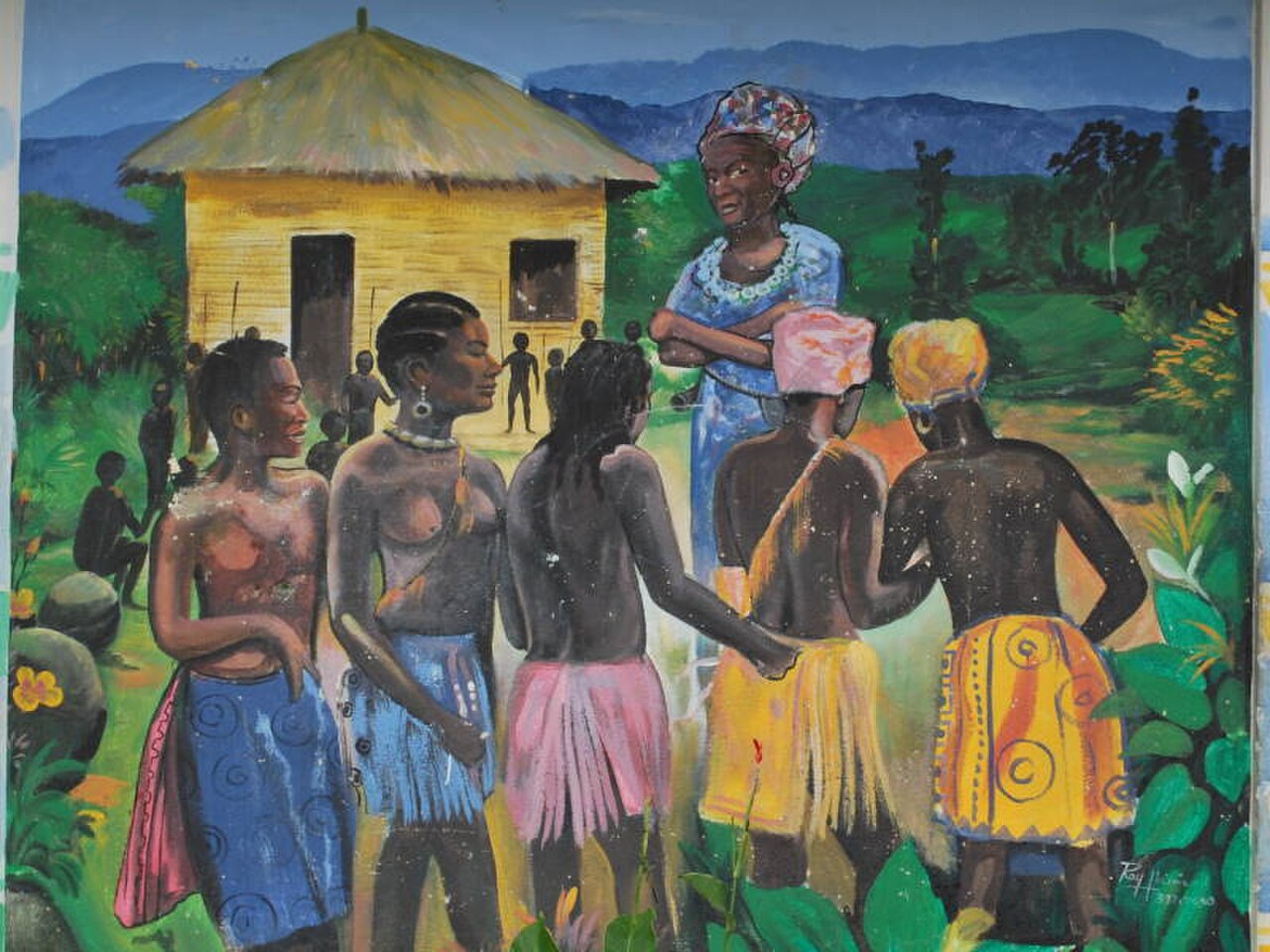
England seized Jamaica in 1655 and rapidly expanded a plantation economy built on the labor of enslaved Africans. Some Africans escaped into the mountainous interior; others had been freed by the departing Spanish. There they formed communities that became known as the Maroons.
The Maroons were not one people in one place. Windward communities developed in the Blue and John Crow Mountains of eastern Jamaica, while Leeward communities occupied the rugged Cockpit Country in the west.
Drawing on African knowledge, local conditions, and practices associated with surviving Indigenous Jamaicans, they developed and preserved a distinctive way of seasoning and slowly cooking meat.
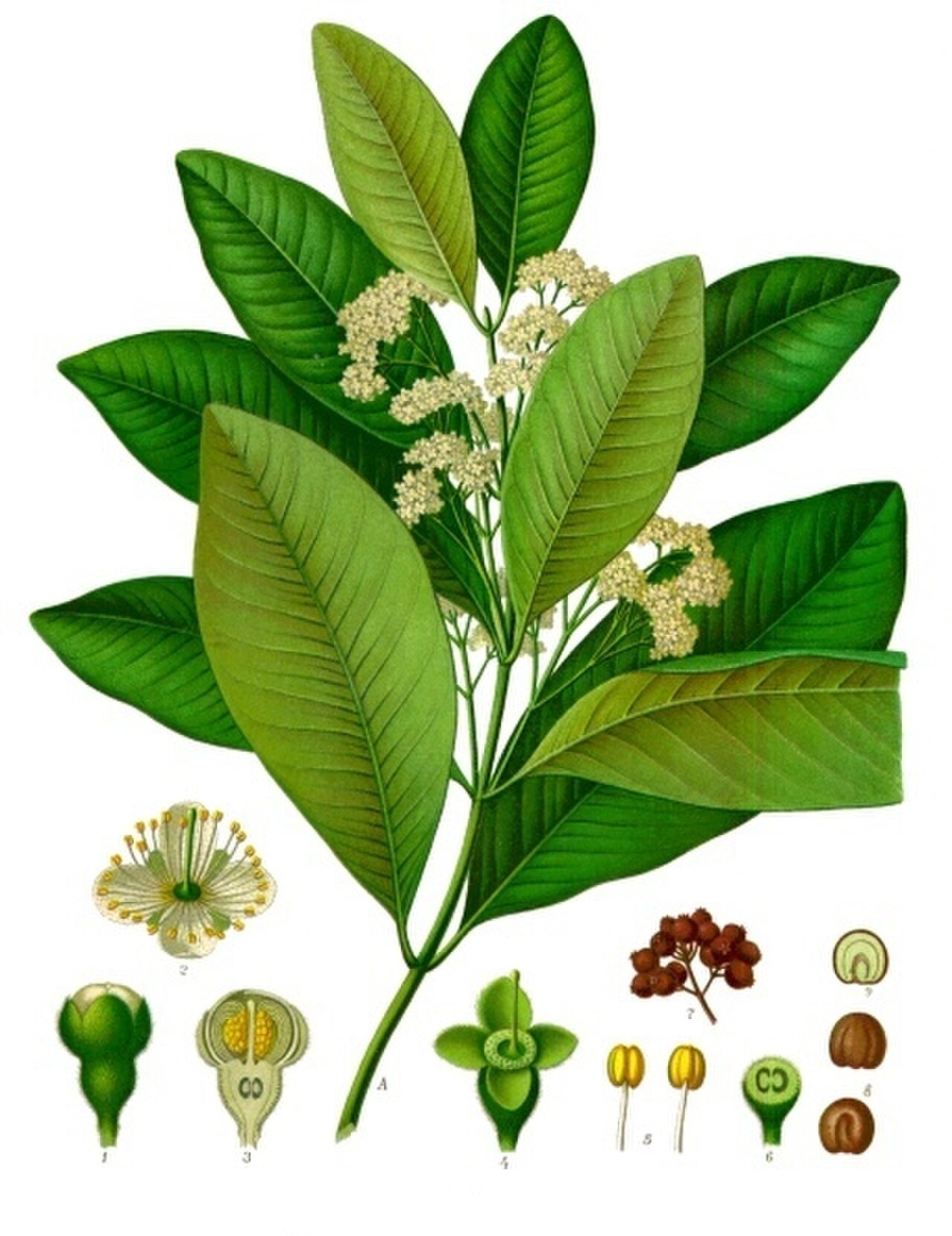
Season, smoke, preserve
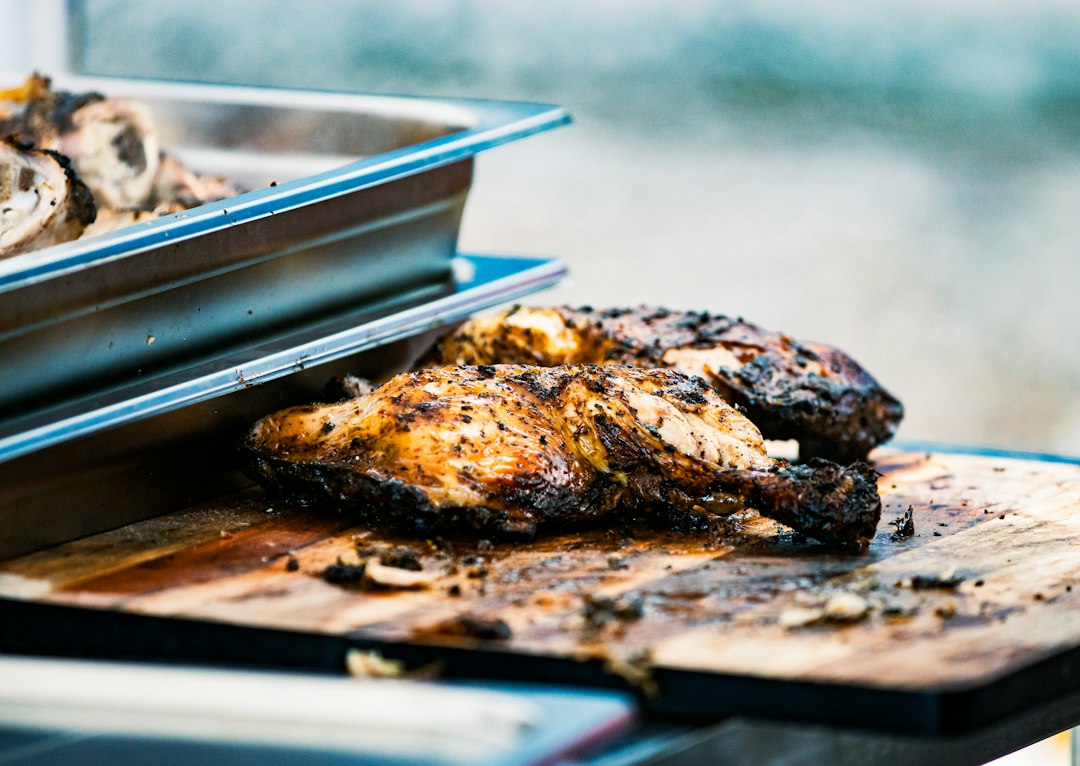
Wild hog was rubbed with pimento—Jamaica's name for allspice—along with hot peppers and local herbs, then cooked over wood or coals.
Historical descriptions differ about whether the meat was grilled on wooden supports, cooked in covered pits, or prepared by several related methods. Covered cooking may have reduced visible smoke when concealment mattered, although the familiar story that jerk was invented specifically to hide Maroons from British soldiers cannot be proved.
Pimento wood itself produces an aromatic smoke that remains part of jerk's characteristic flavor.
How it became “jerk”
The food word jerk is generally traced not to the English word for a sudden movement, but to charqui, a Spanish word borrowed from the Quechua ch'arki, meaning dried or cured meat.
English forms such as jerked and jerking were being used for preserving meat by the early eighteenth century. In Jamaica, the word came to mean more than drying: it named a distinctive local way of seasoning and slowly cooking meat—and, eventually, the seasoning itself.
What is certain: the word traveled. The precise moment when it became the Jamaican name for this particular tradition was not recorded.
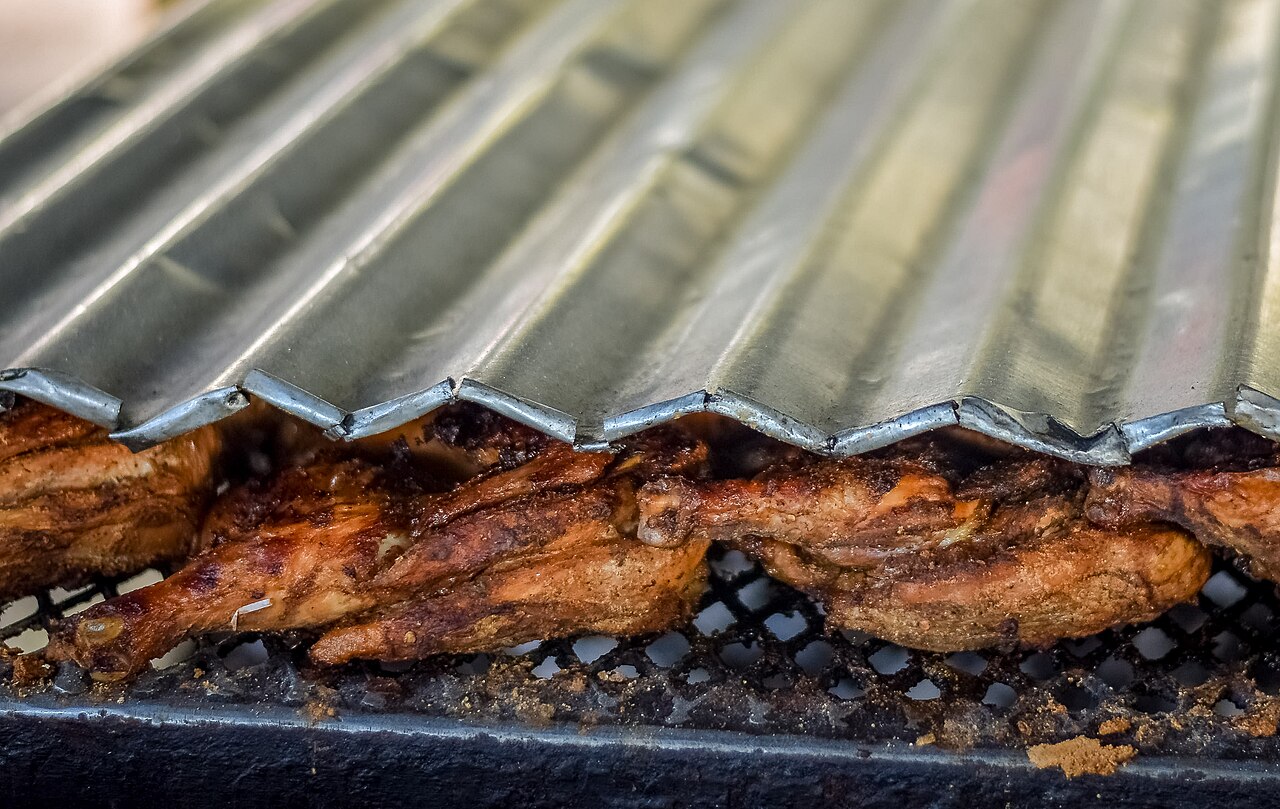
The treaties—and their price
British forces fought the Maroons for decades but could not defeat them decisively. Treaties concluded in 1739 and 1740 recognized Maroon freedom and granted land.
The achievement was historic, but the bargain was compromised. Treaty communities were also required to return future runaways and assist the colonial authorities against resistance and invasion.
Jamaica's surviving Maroon communities nevertheless maintained distinctive traditions of leadership, communally held land, ceremony, and cultural identity.
The treaties acknowledged freedoms the Maroons had fought to preserve, while requiring them to serve parts of the colonial order they had resisted.
How the story traveled
These are milestones in a living tradition—not a claim that jerk began in one year or one place.
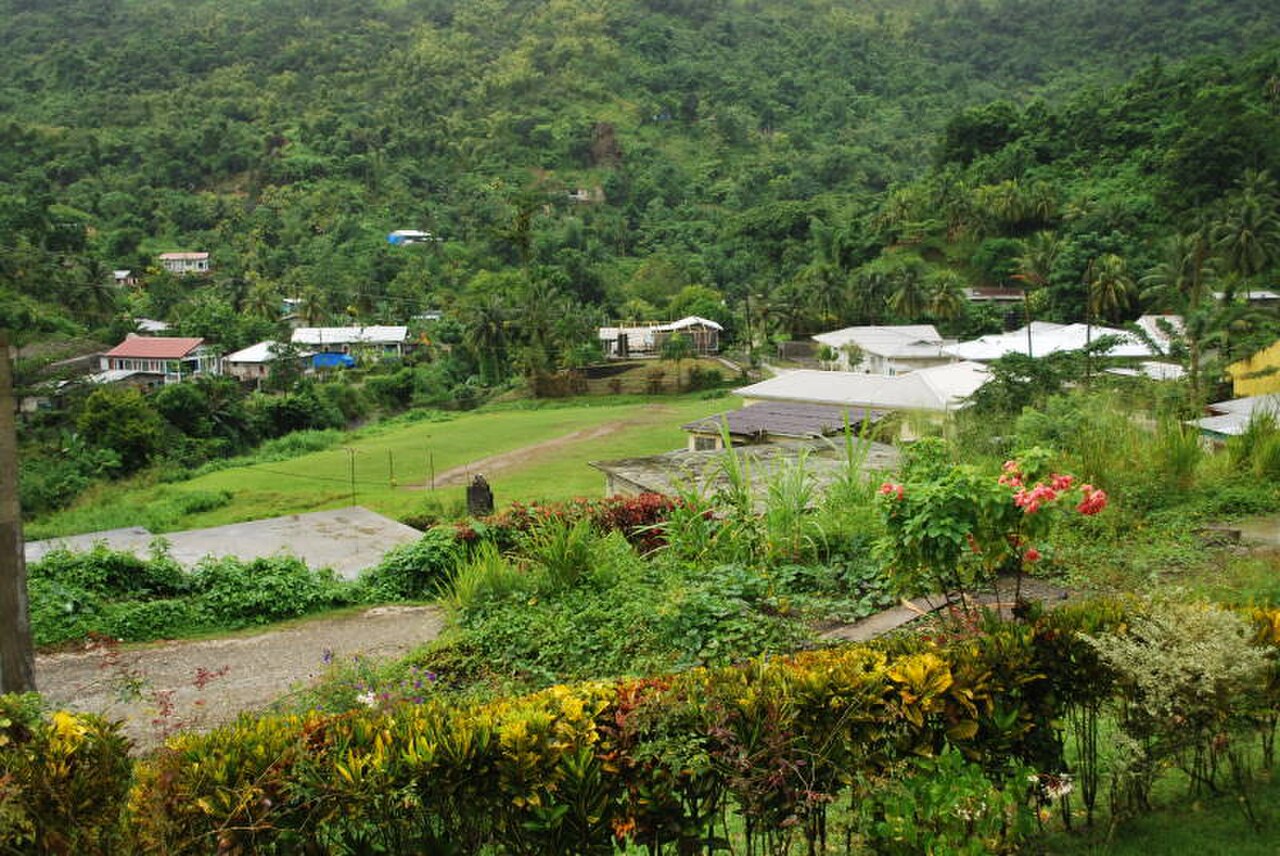
Moore Town
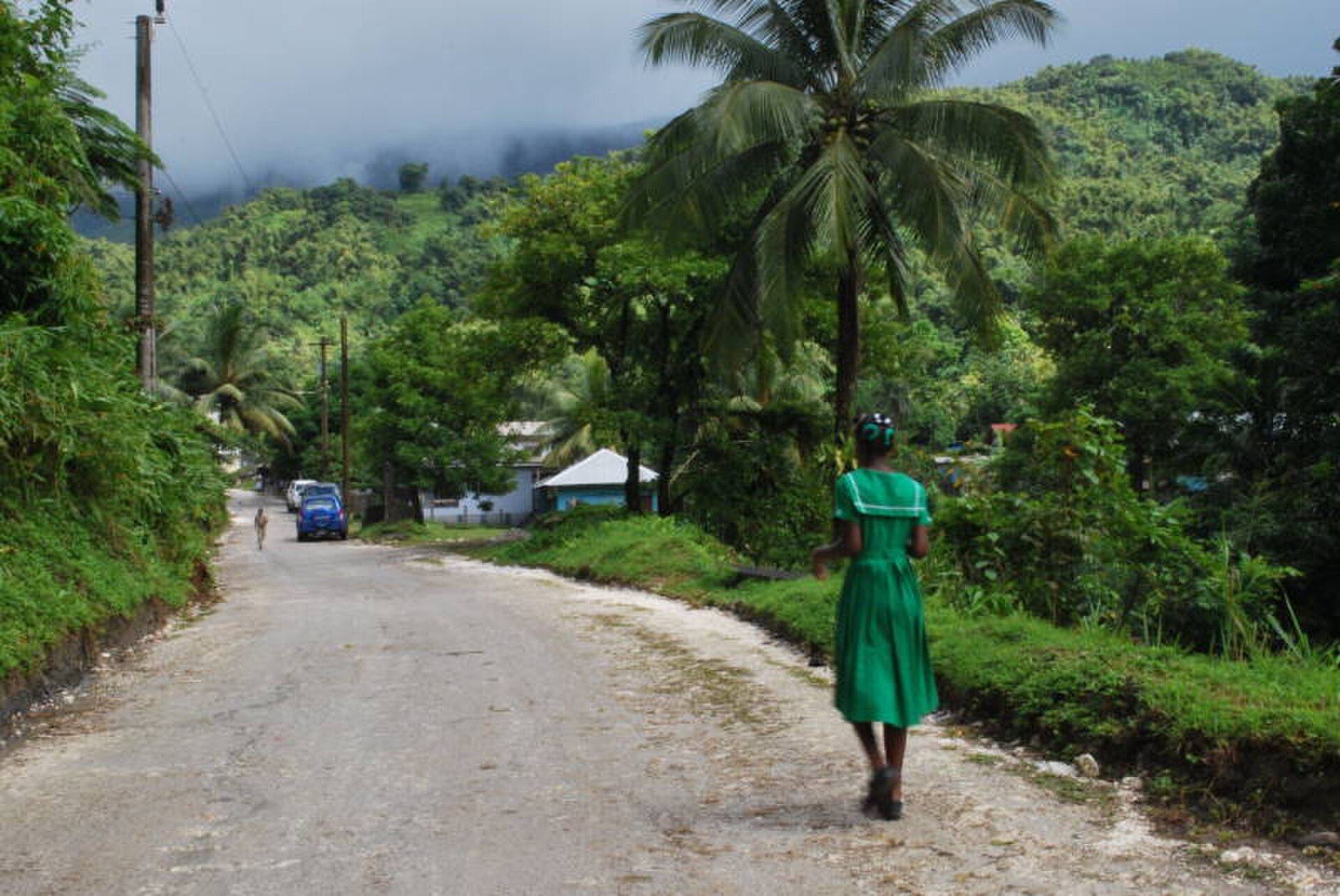
One of Portland's historic Maroon communities is Moore Town, in the mountains above Port Antonio. Its people trace their heritage to the Windward Maroons and to Nanny, Jamaica's celebrated Maroon leader.
UNESCO recognizes the Maroon Heritage of Moore Town as part of the Intangible Cultural Heritage of Humanity. Jerk belongs within that much larger cultural world. It is not the whole story of Moore Town, but one expression of the knowledge, landscape, and community that survived there.
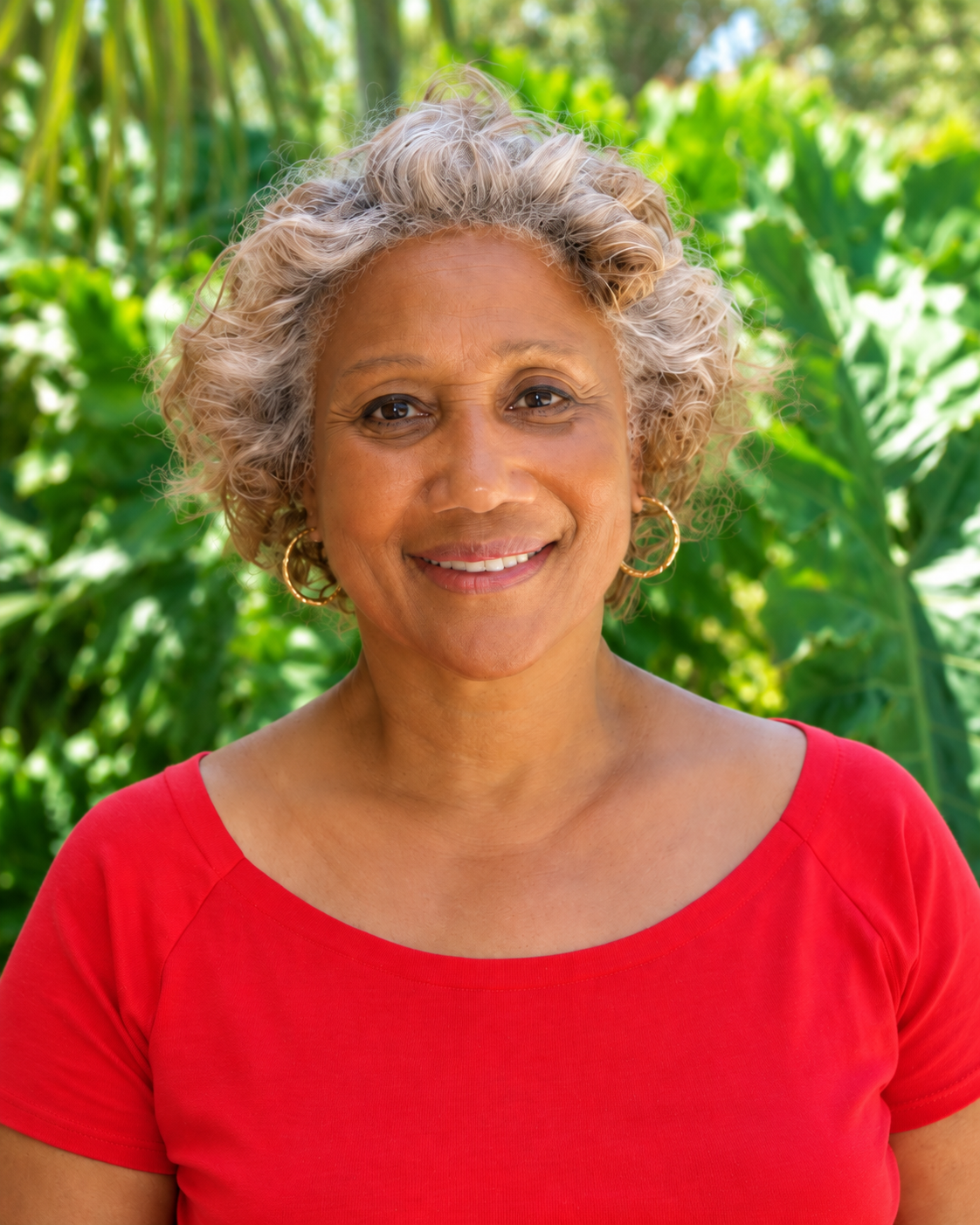
The path to Helen
In 1972 Helen Willinsky was managing Goblin Hill, a hotel in the hills near Port Antonio. Members of the staff came down from Moore Town. When the hotel hosted parties for the Jamaica Tourist Board, they cooked the jerk they had grown up with: pork and chicken rubbed with pimento and hot pepper, slow-cooked over wood.
Years later in Atlanta, Helen translated what she had tasted at Goblin Hill into a dry seasoning that could travel. Her work did not create jerk. It carried a Jamaican tradition shaped over centuries by Indigenous knowledge, African survival, Maroon resistance, and generations of cooks.
Jerk is more than heat in a jar. It is a method, a place, and a history—one that belongs first to Jamaica and to the communities that kept it alive.
Sources and editorial note
Click any source title below to open the original website in a new tab.
This page draws on Jamaican public institutions, UNESCO, culinary-history reporting, and Helen Willinsky's own account. Historical sources do not describe one universal early jerk recipe or cooking apparatus, so the page presents jerk as a tradition developed over time rather than the invention of one person, place, or moment.
- National Library of Jamaica — The Jamaican Maroons
- Jamaica Information Service — The History of Jamaica
- UNESCO — Blue and John Crow Mountains
- UNESCO — Maroon Heritage of Moore Town
- Merriam-Webster — “Jerk” definition and word history
- Food & Wine — Caribbean Barbecue
- Visit Jamaica — Where to Eat in Port Antonio